Native Plant Landscaping • Canada

Designing Gardens with Plants That Belong Here

Practical guidance on selecting and establishing native Canadian plants suited to local soil types, climate zones, and seasonal conditions.

Black-eyed Susan, a native Canadian meadow plant

Guides & Reference

In-depth articles on native plant selection, garden design, and soil preparation for Canadian growing conditions.

Aquilegia canadensis — Canada Columbine

Climate Zones

Choosing Native Plants by Canadian Climate Zone

Canada spans eight plant hardiness zones. Understanding which species thrive in your specific zone shapes every planting decision before a single seedling goes in the ground.

Read article →
Monarda fistulosa — Wild Bergamot

Garden Design

Low-Maintenance Native Garden Design Principles

Native plants reduce ongoing maintenance significantly once established. This guide covers plant spacing, companion groupings, and seasonal layering techniques that sustain a garden with minimal intervention.

Read article →
Lobelia cardinalis — Cardinal Flower

Soil & Site

Soil Preparation for Native Plant Gardens in Canada

Soil amendment strategies differ significantly when establishing native species versus conventional ornamentals. This article covers testing, organic matter management, and drainage adjustments across Canadian soil profiles.

Read article →

Why Native Plants

Plants native to a region have evolved alongside local insects, birds, and soil organisms. They require less supplemental watering once roots are established, and support regional food webs that introduced ornamentals cannot replicate.

Canadian Climate Context

Plant hardiness zones across Canada range from Zone 0 in northern territories to Zone 8 on parts of the Pacific coast. Each zone carries distinct frost dates, precipitation patterns, and soil temperature conditions that determine species viability.

Soil & Provenance

Local provenance seed stock — plants propagated from seed collected within the same region — performs consistently better than specimens grown from distant seed sources, even within the same species.

Notable Native Plants by Region

A selection of widely available, well-documented native species suited to common Canadian garden conditions.

Rudbeckia hirta

Black-eyed Susan

Rudbeckia hirta

A short-lived perennial native to much of Canada, thriving in Zones 3–9. Tolerates poor, dry soils and blooms reliably from mid-summer through early autumn, attracting numerous pollinator species.

Aquilegia canadensis

Canada Columbine

Aquilegia canadensis

A woodland-edge species suited to Zones 3–8. Its nodding red-and-yellow flowers appear in May and June, providing early nectar for hummingbirds and long-tongued bees before many other natives come into bloom.

Monarda fistulosa

Wild Bergamot

Monarda fistulosa

Found across Ontario, Quebec, and the Prairie provinces, this drought-tolerant prairie perennial grows in Zones 3–9. The lavender-pink blooms are highly attractive to native bees and draw specialist pollinator species.

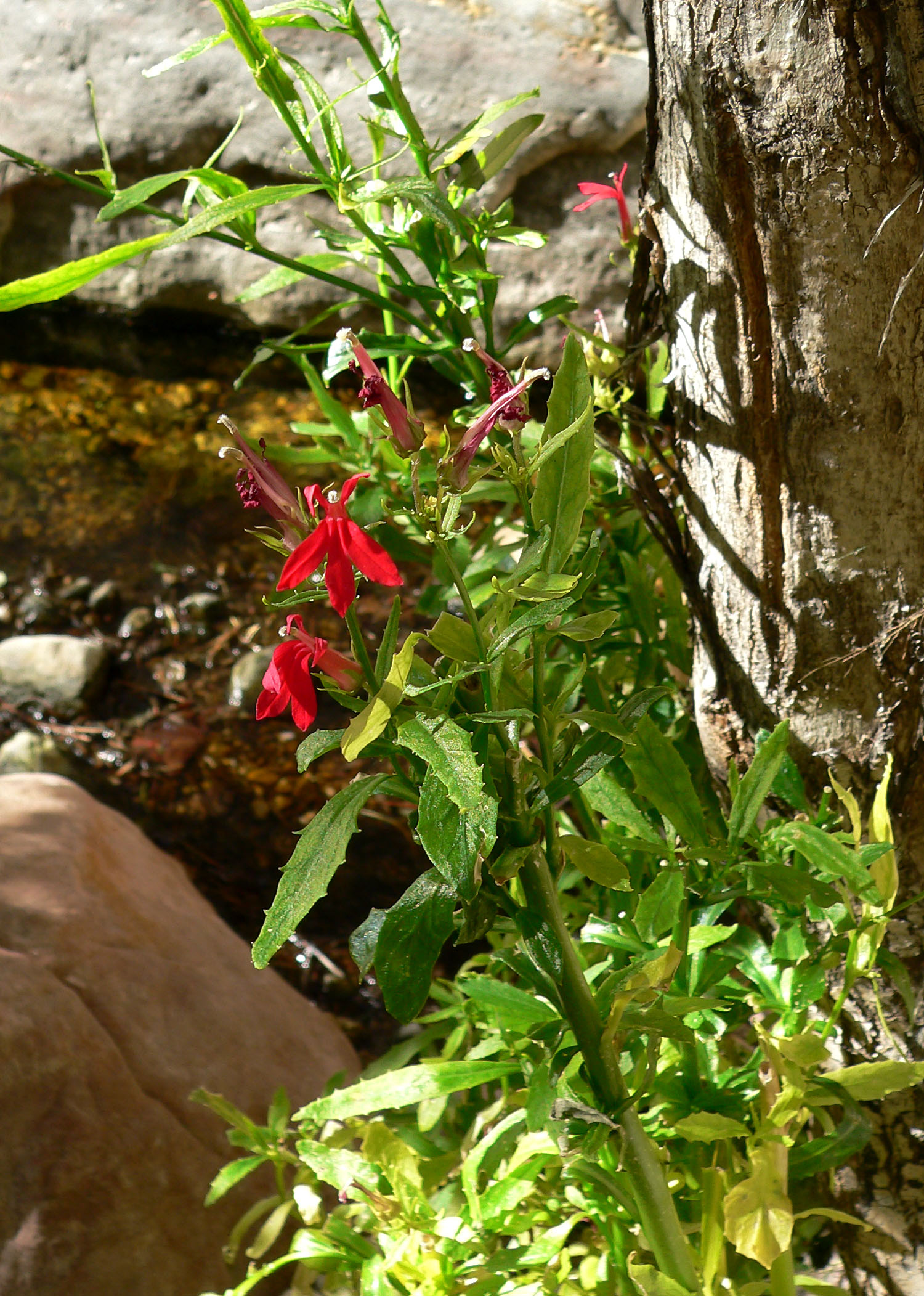
Lobelia cardinalis

Cardinal Flower

Lobelia cardinalis

A moisture-loving perennial native to eastern Canada, suited to Zones 3–9. Its brilliant red spikes are among the most effective hummingbird attractors of any native species in its range, performing best in consistently moist soil near water features.

Hardiness Zone Quick Reference

Zone Typical Regions Winter Low (avg) Suitable Native Plants
Zone 2–3 Northern Manitoba, Saskatchewan, interior BC highlands -45°C to -34°C Buffalo berry, Prairie crocus, Wild blue flax
Zone 4–5 Ottawa, Winnipeg, southern Alberta -34°C to -23°C Black-eyed Susan, Wild bergamot, Canada goldenrod
Zone 5–6 Southern Ontario, Montreal, Nova Scotia coast -23°C to -12°C Canada columbine, Cardinal flower, Eastern redbud
Zone 7–8 Vancouver Island, Fraser Valley, Okanagan -12°C to -3°C Garry oak, Camas, Red flowering currant, Nootka rose